When investing in real glass prescription sunglasses, clarity, durability, and long-term performance should be at the top of your list. Unlike plastic lenses, optical-grade glass lenses already offer superior visual sharpness and natural scratch resistance—but adding the right coatings can take performance even further.
One of the most common upgrades customers consider is anti-reflective (AR) coating. Is it necessary on glass sunglasses? Not always—but in many cases, it’s a smart enhancement that improves how your lenses perform in real-world conditions.
Here’s everything you need to know.
What Is Anti-Reflective Coating on Glass Lenses?
Anti-reflective coating—also called AR coating or anti-glare coating—is a series of ultra-thin layers applied to both sides of the lens.
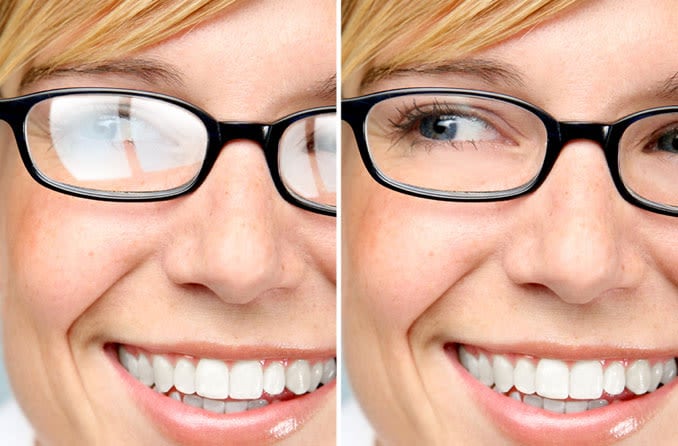
On real glass lenses, these coatings work exceptionally well because of the material’s natural optical purity. The coating reduces internal and surface reflections by filtering out specific wavelengths of light, allowing more usable light to pass directly through the lens to your eye.
The result: cleaner, sharper, more comfortable vision.
Why AR Coating Works So Well on Real Glass Lenses
Real glass lenses already provide:
- Exceptional clarity (high ABBE value)
- Minimal distortion
- Natural resistance to fine scratching
When AR coating is added, it enhances these advantages by reducing one of the only remaining visual distractions—reflected light and glare from behind the lens.
Key Benefits of Anti-Reflective Coating on Glass Sunglasses
✔ Sharper, More Natural Vision
AR coating allows more light to pass through the lens without interference, improving contrast and detail—especially important for driving and outdoor use.
✔ Reduced Backside Glare
Even with tinted or polarized lenses, light can reflect off the back surface into your eyes. AR coating minimizes this distraction, which is especially noticeable in bright environments.
✔ Improved Comfort & Less Eye Strain
By reducing stray reflections, your eyes don’t have to work as hard to focus—leading to more comfortable all-day wear.
✔ Cleaner Appearance
Your eyes are more visible through the lenses, eliminating the mirror-like glare that can obscure your face.
✔ Added Lens Protection
Premium AR coatings often include hydrophobic and oleophobic layers, helping repel water, dust, and smudges—keeping your glass lenses cleaner longer.
Is AR Coating Necessary on Real Glass Sunglasses?
Not required—but highly recommended.
Because glass lenses already deliver superior optical performance, AR coating isn’t essential for clarity—but it enhances real-world usability, especially in bright or reflective environments.
If you're investing in premium glass lenses, AR coating helps you get the absolute most out of them.
AR Coating vs. Polarization: Do You Need Both?
These two features serve different purposes—and work best together:
-
Polarized lenses reduce intense glare from flat surfaces like water, roads, and snow
-
AR coating reduces reflections from the backside of the lens and improves overall clarity
👉 The best-performing setup for real glass sunglasses:
- Polarized glass lenses
- Optional front mirror coating (for added glare reduction)
- Backside anti-reflective coating
When Should You Add AR Coating to Glass Sunglasses?
You’ll benefit most from AR coating if you:
- Drive frequently in bright sunlight
- Spend time near water, snow, or reflective surfaces
- Notice glare from behind your lenses
- Want the clearest possible vision from your glass lenses
Final Thoughts: Maximize the Performance of Real Glass Lenses
Real glass lenses already set the standard for clarity, durability, and visual precision. Adding anti-reflective coating is not about fixing a weakness—it’s about unlocking their full potential.
If you're choosing premium eyewear, this small upgrade can make a noticeable difference in everyday performance.
Glass Lens Eyewear
The Clear Choice for Real Glass Lenses
Experience sharper vision, reduced glare, and long-lasting quality with true optical glass—engineered for those who expect more from their eyewear.




0 comments